Home/Bleeding
The most common pile symptom, and the one to take calmly but seriously
Blood on the toilet paper, when it is piles bleeding and when it is not.
Bright red blood on the paper after a motion is the most common pile symptom, and in most cases it is not dangerous. It should still be examined rather than assumed, because bleeding has other causes.

What piles bleeding looks like
Pile bleeding has a recognisable pattern. Knowing it helps you describe what you are seeing, which is genuinely useful at the first visit.
It is bright red, the colour of fresh blood. You notice it on the paper when you wipe, or dripping into the bowl after a motion.
It typically comes without pain, and it is tied to passing a motion: it appears when you go, and settles when you are done.
Blood that is dark, or mixed into the stool rather than sitting on the surface, is a different pattern, and it is not typical of piles.
Come in soon if
The blood is dark or mixed into the stool, the bleeding happens without a motion, you feel tired or breathless (possible anaemia), your bowel habit has changed, you are losing weight without trying, or this is your first bleed and you are over 40. None of these mean something serious is certain. They mean the bleeding should be examined rather than assumed to be piles.
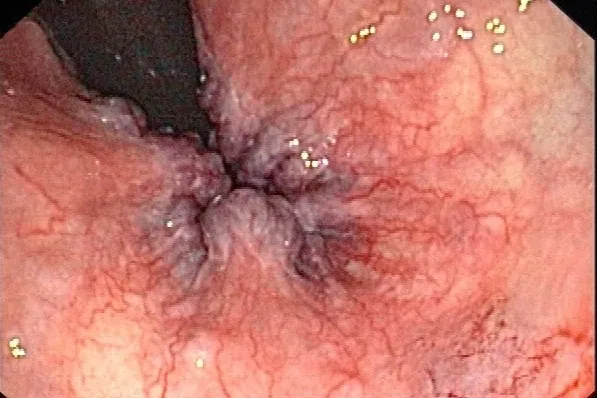
What else it could be
Bleeding from the bottom has a short list of usual suspects. Piles is the most common, not the only one.
A fissure, a small tear in the skin, also bleeds bright red, but it usually comes with a sharp, cutting pain when you pass a motion.
A fistula, an infected tract near the anus, can leak blood-stained discharge along with throbbing discomfort.
Polyps, small growths inside the bowel, can bleed quietly with no other symptom at all.
Rarely, bowel cancer presents this way, which is exactly why bleeding is examined rather than assumed, at any age and especially over 40.
The side by side comparison is at is it piles or something else.
What helps piles bleeding settle, and what the research found
Once an examination has confirmed the bleeding is from piles, a few things are known to help. They are listed from the simplest to the most involved.
| What helps | What the research found | Source |
|---|---|---|
| More fibre, with enough water | Cut the risk of bleeding by about half, across 7 trials and 378 people | Alonso-Coello et al., 2006 |
| Flavonoid tablets | Eased bleeding, pain and swelling, but symptoms came back in 80% of people within 3 to 6 months of stopping | Ashburn, JAMA 2025 |
| Band ligation in the clinic | Resolved symptoms in 89% of people; up to 20% needed banding again later | Ashburn, JAMA 2025 |
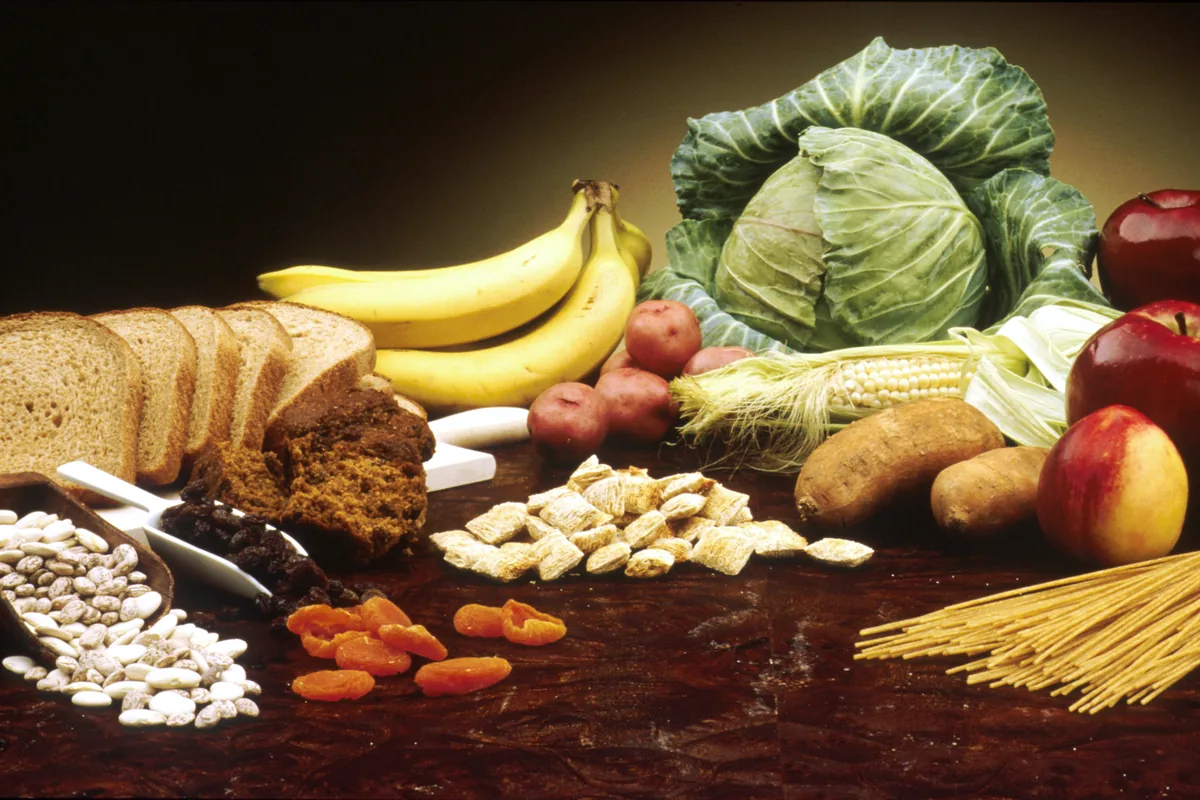
Fibre and water work by softening the stool, so there is less straining and less pressure on the piles. The practical version is at treating piles at home. When bleeding keeps coming back despite that, rubber band ligation is usually the next step for internal piles.
Sources
- Alonso-Coello P, et al. Fiber for the treatment of hemorrhoids complications: a systematic review and meta-analysis. American Journal of Gastroenterology, 2006. PubMed 16405552
- Ashburn JH. Hemorrhoidal disease: a review. JAMA, 2025. PubMed 40824576
What the visit involves
The examination that answers this is quicker and gentler than its reputation, and nothing happens without your agreement on the day.
What you have seen, how long it has been happening, your habits, your history. The colour, amount and timing of the bleeding already narrow the answer considerably.
A visual examination of the area, which often shows external piles, fissures and skin tags on its own.
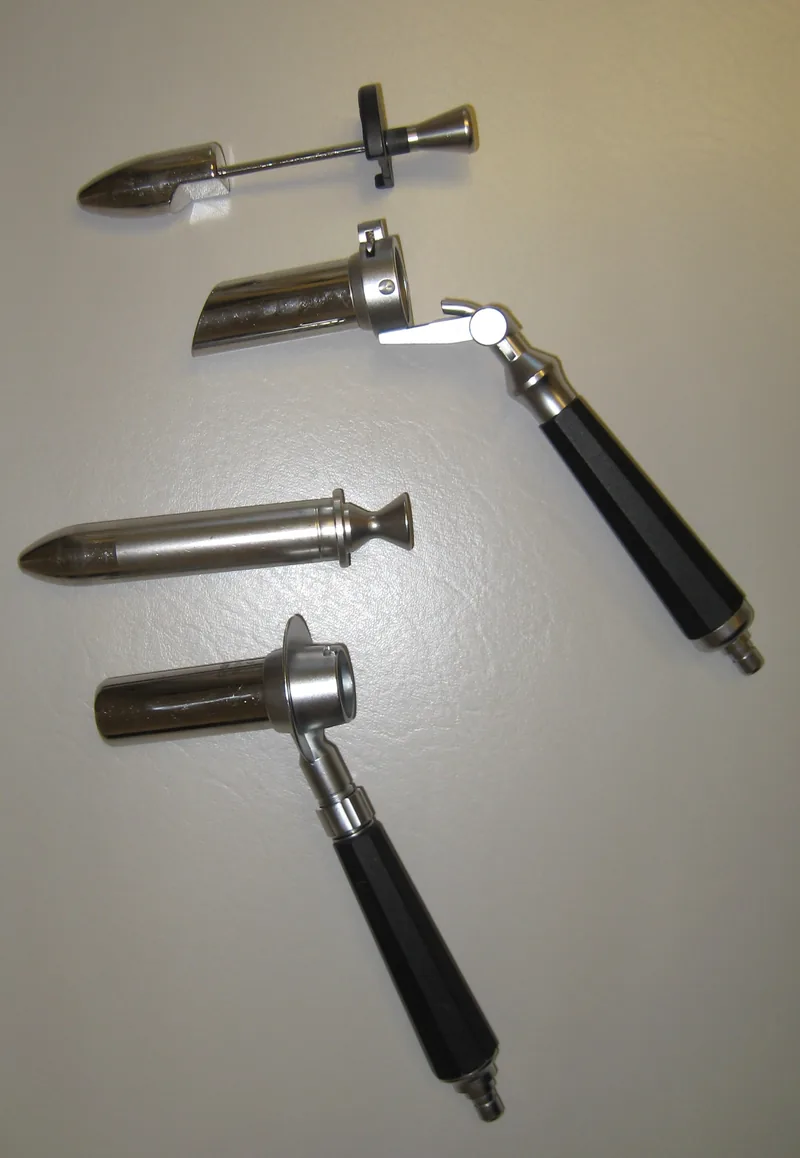
A short, smooth, lighted tube, inserted for a few seconds, lets the surgeon see the bleeding source from inside and confirm the diagnosis. Uncomfortable for a moment, not the ordeal people imagine.
You leave knowing what the bleeding is, and what it needs. If it is piles, the grade decides the treatment: the grading system is explained at piles grades 1 to 4.
Piles bleeding questions, answered directly
Yes, and this is typical. Internal piles usually bleed without pain, which is why the first sign is often blood on the paper rather than any discomfort. Bleeding without pain is still worth examining, because no pain does not mean no problem.
Rarely, but take it seriously if the bleeding is heavy or does not stop, if your stools turn black, or if you feel faint, dizzy or unwell. In those situations seek medical care promptly rather than waiting for a clinic appointment.
No. Embarrassment is the most common reason people delay, and the least necessary one. This is a routine problem the clinic sees every week, and you will be met with the same matter of fact manner as any other visit.
Not automatically. Whether a scope is needed is decided by your age, your symptoms and what the examination shows. Many cases of pile bleeding are settled by proctoscopy alone; a colonoscopy is advised when the source needs confirming or your profile calls for it.
Related pages: is it piles or something else, piles grades 1 to 4, and laser treatment for grades that need a procedure. Costs are outlined at what treatment costs, and more about the surgeon at Dr Sulaiman's profile.
Seen blood more than once?
That is your cue to have it looked at, calmly and without embarrassment. Write in through WhatsApp, no phone call needed.
Ask the clinic