Home/Piles surgery
Step by step, no surprises
Piles surgery, and what actually happens step by step.
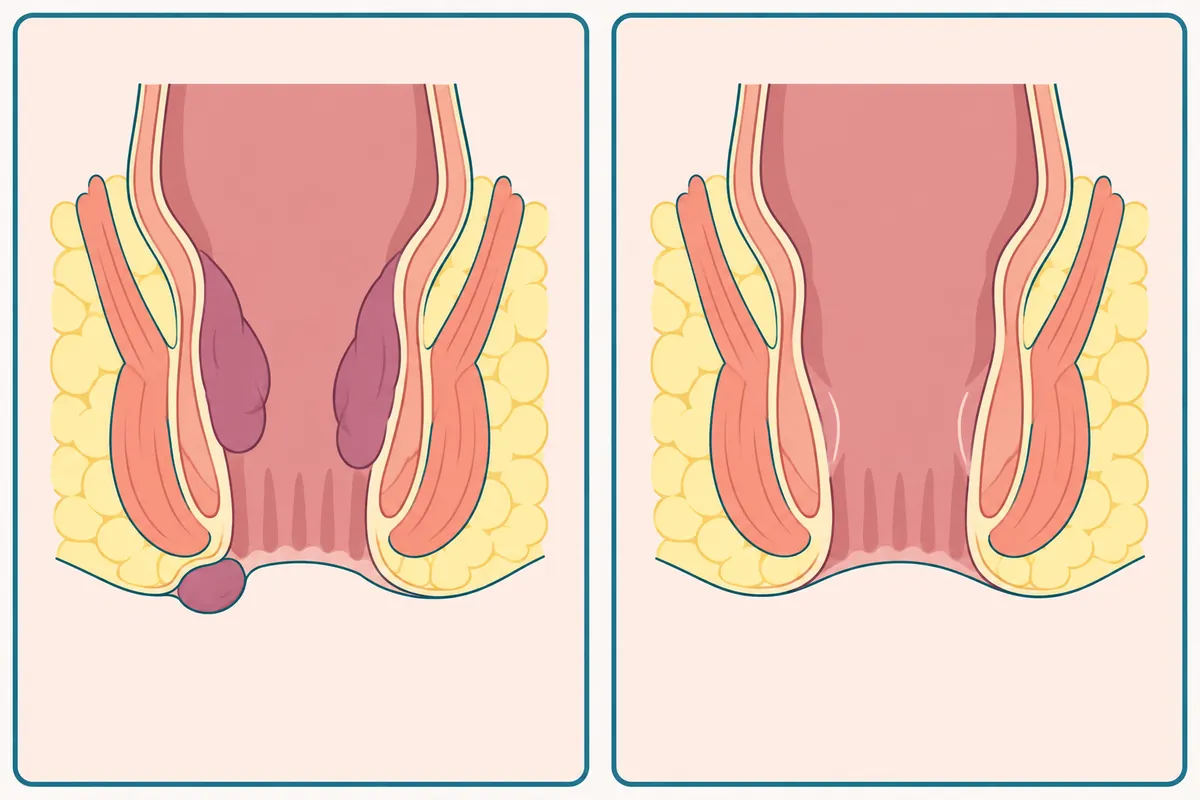
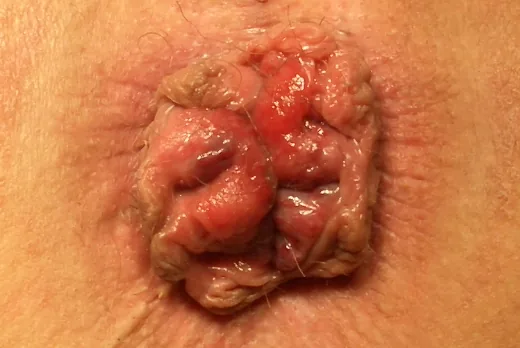
Piles surgery is mainly for grade 3 and grade 4 piles, and piles that keep coming back after simpler treatment. The examination picks the right operation. Nobody is booked for surgery at a first visit.
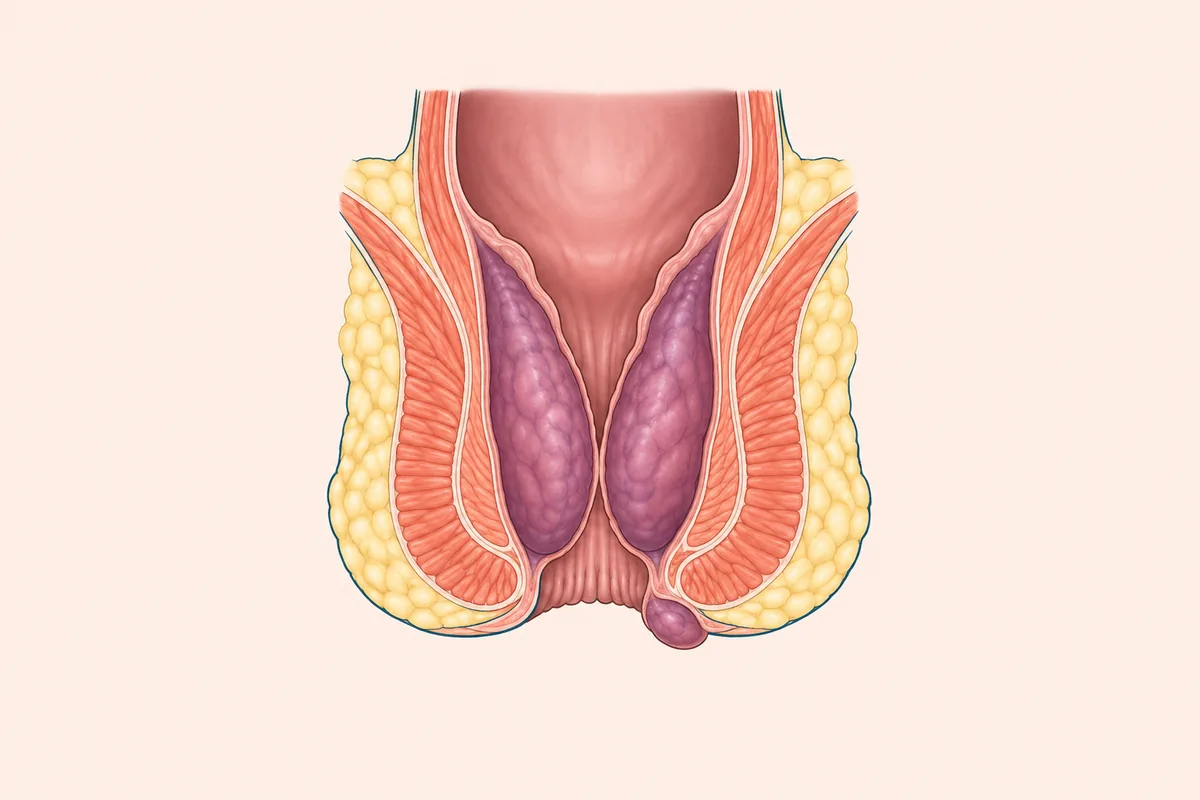
Which piles surgery suits which situation
The options below match the treatment overview. Banding is listed first as a recap: it is a clinic procedure, not surgery. The examination finds your grade and anatomy, and those decide which one suits you.
| Option | What it is | Usually suits |
|---|---|---|
| Band ligation | A small rubber band placed on the pile in the clinic. No cutting, no anaesthesia in most cases. Not surgery. | Grades 1 to 2 that keep bleeding or protruding |
| Laser treatment | A fine fibre shrinks the pile from inside through a small opening. Day surgery, detailed on the laser page. | Grades 2 to 3 |
| Stapled procedure | A circular stapler lifts the piles back into position and reduces their blood supply. | Grade 3 with prolapse all the way round |
| Excision surgery | The piles are removed directly. The most definitive option, with the longest recovery. | Grades 3 to 4, large or returning piles |
Not sure which grade you are? That is settled at the examination, and the grades guide at piles grades 1 to 4 explains what each grade usually needs.
A typical piles surgery day
The details vary with the operation and the hospital, but the shape of the day is predictable. This is the usual sequence.
You arrive fasting, the paperwork is settled, and the team confirms the plan with you. There is time for last questions before anything happens.
Usually a general anaesthetic or a regional one that numbs the lower half of the body. The anaesthetist decides this with you, based on your health and your preference.
The operation uses the technique chosen for your grade, and the anaesthetist looks after your comfort and safety throughout.
You wake up gradually with the nursing team watching your blood pressure, comfort and the dressing. Pain relief starts here, not after you ask for it.
Depending on the operation and how you feel, you go home the same day or stay one night. This is decided with you, not sprung on you.
You leave with written instructions, medication for the first days, and a clear point of contact if something worries you. What the first weeks look like is below.
Risks of piles surgery, stated plainly
Every operation has risks, and pretending otherwise helps nobody. These are the ones patients ask about most, in general terms. The figures specific to each operation are discussed at the consent conversation, before you agree to anything.
If you want numbers before the visit: published rates for pain, bleeding and recurrence differ by operation and by study, so a single figure here would mislead. The figures relevant to your operation are given to you in writing before consent.
Do piles come back after surgery? What the research found
They can, after any treatment, but how often depends on which one. The more definitive the treatment, the less often piles return, and the harder the first weeks of recovery.
| Treatment | How often piles come back | Source |
|---|---|---|
| Band ligation | Up to 20% of people need banding again | Ashburn, JAMA 2025 |
| Stapled procedure | 37 of 479 people, across 12 trials | Lumb et al., Cochrane review 2006 |
| Excision surgery | 9 of 476 people in the same trials; 2 to 10% in a 2025 review | Lumb et al., 2006; Ashburn, 2025 |
| Laser treatment | Still being measured; fewer long-term comparisons exist | Ng et al., 2020 |
In the 2006 Cochrane review, piles came back about four times as often after the stapled procedure as after excision surgery. A 2020 review reached the same balance: the stapled procedure is the quicker recovery, excision surgery has the lowest recurrence, and newer options such as laser treatment still need longer follow-up.
Whichever piles surgery you have, it removes the piles that are there, not the tendency. Straining and constipation are what bring them back, so the fibre, water and toilet habits in treating piles at home stay useful for good.
Sources
- Ashburn JH. Hemorrhoidal disease: a review. JAMA, 2025. PubMed 40824576
- Lumb KJ, et al. Stapled versus conventional surgery for hemorrhoids. Cochrane Database of Systematic Reviews, 2006. PubMed 17054255
- Ng KS, et al. An updated and critical review of the management options for haemorrhoids. Annals of Coloproctology, 2020. PubMed 32674545
Recovery, week by week
This is the typical pattern after excision surgery, the option with the longest recovery. Laser and stapled recoveries are shorter. The full guide, with pain scores, the first motion and warning signs, is at piles surgery recovery.
Week 1
The hardest week
Rest, the pain plan, and short walks around the house. Motions are the uncomfortable part, and stool softeners are part of the plan for that reason.
Weeks 2 to 4
Gradual return
Soreness fades week by week. Most people are back at a desk job somewhere in this window, with heavier activity coming back more slowly.
After that
Back to normal
Full activity, with the habit changes (fibre, fluids, no straining) kept for good, because they are what protect the result.

Individual recovery varies with the operation, the grade and your own healing. These are typical patterns, not promises. Costs for each option, and how Medisave and insurance usually apply, are at piles treatment cost.
Surgery questions, answered directly
Usually no. Most piles operations use a general anaesthetic, or a regional anaesthetic that numbs you from the waist down while you are sedated. The anaesthetist makes this decision with you before the day.
The first week is the hardest, and passing motions is the uncomfortable part of it. A written pain plan, including stool softeners, is part of every discharge. After the first week, soreness fades steadily for most people.
They can, with any treatment. Surgery removes the piles that are present, but the tendency stays, and straining or constipation can grow new ones over the years. The habit changes afterwards are not optional extras; they are how the result lasts. The figures by operation are in do piles come back.
That is exactly what the first visit is for. You get the examination, the grade, the options and the costs, and you decide in your own time. Nobody is booked for surgery at a first visit.
Related pages: laser treatment, the gentler-recovery option, what each grade needs, and what treatment costs.
Told you might need surgery?
Get the grade confirmed and the options laid out first. Write in through WhatsApp, no phone call needed.
Ask the clinic