Home/Is it piles or something else
Same area, different problems, different treatments
Is it piles, or something else?
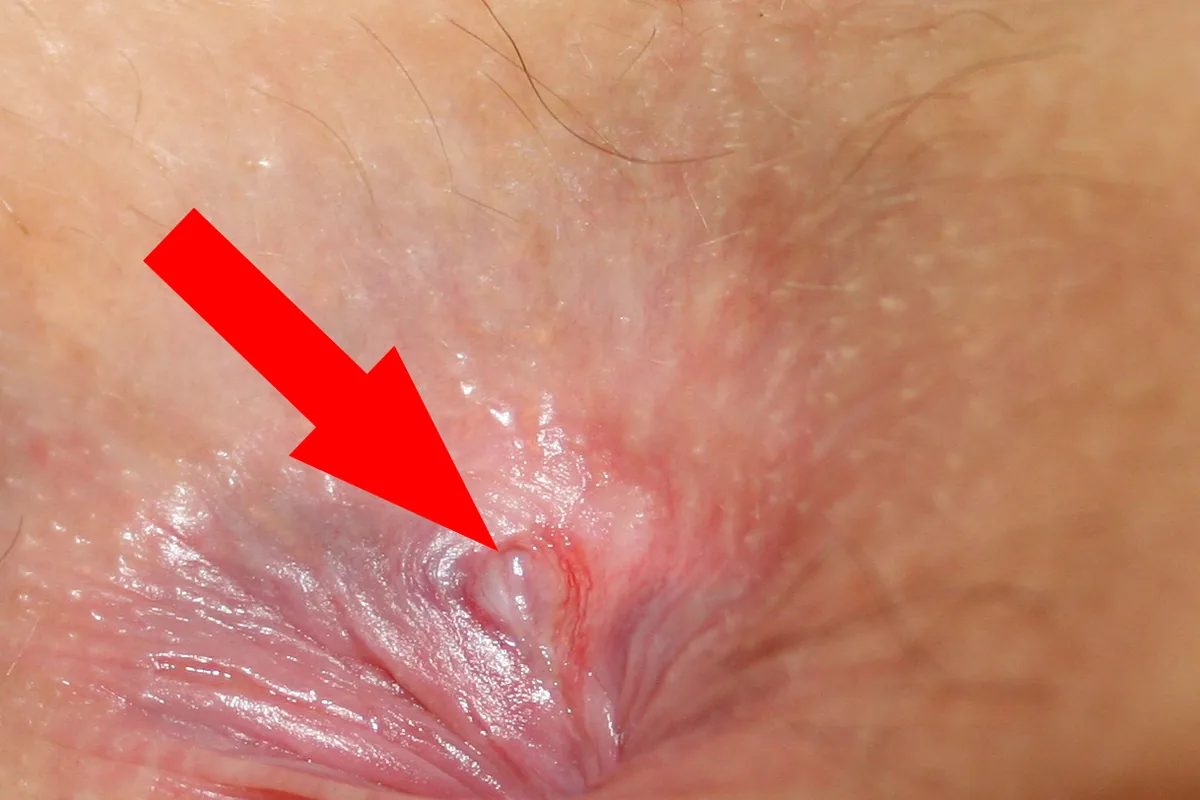
Several conditions feel like "piles" from where you sit: a fissure, a fistula, an abscess, a skin tag, or a rectal prolapse. They are treated differently, so the first visit is about naming the problem, not a procedure.
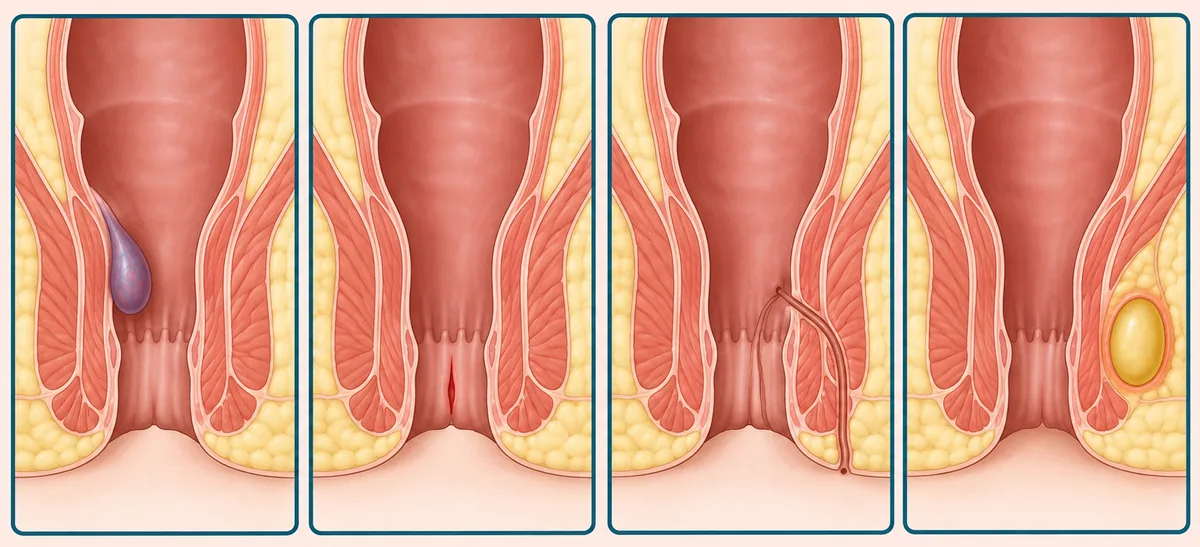
Five things that get called "piles"
A painful anus, a lump or bleeding can come from any of them, but each has a recognisable feel. These are typical patterns, not a way to diagnose yourself: the examination further down is what settles it.
Piles or rectal prolapse, when something comes out
Both can mean tissue coming out of the back passage, which is why they get confused. They are different problems with different causes, so they are treated differently.
| Piles | Rectal prolapse | |
|---|---|---|
| What comes out | Swollen blood vessels in the lining, at the opening | The rectum itself, slipping out of place |
| Why it happens | Straining and constipation make the cushions swell | The muscles and tissue that support the rectum weaken |
| Who it affects most | One of the most common problems adults see a surgeon for | Older adults, and women who have had several pregnancies |
| Usual treatment | By grade, from habit changes to banding or surgery | Pelvic floor exercises when mild, an operation to fix the rectum in place when more severe |
At the examination you may be asked to strain gently, as if passing a motion, so the surgeon can see what comes out and how far. That one moment usually settles which of the two it is.
And rarely, something serious
Bowel cancer can present with bleeding or a sensation of a lump. The point of saying so is not to frighten you. It is to explain why examination, not assumption, is the answer to every condition on this page.
Come in soon if
The blood is dark or mixed into the stool, the bleeding happens without a motion, you feel tired or breathless (possible anaemia), your bowel habit has changed, you are losing weight without trying, or this is your first bleed and you are over 40. None of these mean something serious is certain. They mean the bleeding should be examined rather than assumed to be piles.
Most people who come in with these worries do not have cancer. They have one of the conditions above, all of which are treatable. More on the bleeding itself at blood on the toilet paper.
How the examination tells them apart
You cannot reliably tell these conditions apart yourself, and you should not have to. The visit that settles it is quicker and gentler than its reputation.
What you feel, when it started, what makes it better or worse. Pain with motions, discharge, bleeding and lumps each point in a different direction before anything is examined. Nothing is examined without your agreement.
A visual examination of the area, which often identifies fissures, skin tags, external piles and the opening of a fistula on its own.
A short, smooth, lighted tube, inserted for a few seconds, lets the surgeon see inside and confirm what is actually there. Uncomfortable for a moment, not the ordeal people imagine.
You leave knowing the name of the problem and what it needs. If it is piles, the grade decides the treatment, from habit changes to laser treatment or surgery. If it is something else, it is treated or referred appropriately.
Questions, answered directly
No, not reliably. The conditions overlap enough that even doctors examine rather than guess from a description. That is what the examination is for, and it is quicker than most people expect.
It is painful, but about half of new fissures, under six weeks old, heal with simple measures such as softer stools, warm baths and creams, and more do when caught early. Persistent ones have effective treatments, from medicated creams to a small procedure. Either way, it is a routine problem with a clear path out.
Then you get treated for what it actually is, or referred appropriately if it needs care elsewhere. The visit was still the right move: a named problem with a plan is a better place to be than a worry you carry around.
Usually no. They are harmless folds of skin. Removal is optional and worth discussing only if they trouble you, for example if cleaning is difficult or they catch and irritate.
Related pages: when bleeding is and is not piles, piles grades 1 to 4, and surgery step by step. Costs are outlined at what treatment costs.
Still not sure what it is?
That is normal, and it is exactly what the first visit answers. Write in through WhatsApp, no phone call needed.
Ask the clinic