Home/Treating piles at home
What works, what does not, and when to stop trying
How to treat piles at home, and when home treatment is not enough.
Yes, you can often treat piles at home, especially small ones that bleed a little or itch. More fibre, more water, no straining and shorter toilet visits are the first treatment for every grade.
Will piles go away on their own?
Often, if they are small. Everyone has soft cushions of tissue inside the back passage; piles are those cushions swollen. The aim of any treatment, at home or in the clinic, is to shrink them back to their normal size.
Grade 1 and some grade 2 piles can settle with diet changes, more water and a soothing cream. The things that swell them in the first place, constipation, too little fibre and too little movement, are things you can change yourself.
Piles that come out and need pushing back, bleed again and again, or cause a lot of discomfort are unlikely to go away without treatment. Neither is bleeding something to wait out: Dr Sulaiman sees patients every week who have used pharmacy creams for months, when the bleeding needed a look.
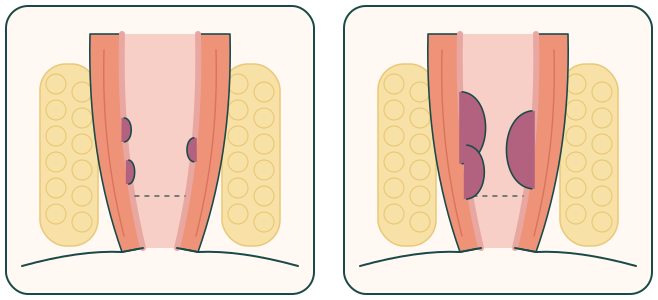
- Normal cushionsPart of everyone's anatomy, sitting quietly inside.
- Swollen into pilesStraining and constipation swell them. Home care aims to shrink them back.
How to treat piles at home, starting this week
Each measure does something specific. None of them is a quick fix, and together they are what doctors recommend first for every grade of piles.
| Measure | What it helps | What it cannot do |
|---|---|---|
| Fibre and water | Softer stools and less straining. In trials, fewer lasting symptoms and less bleeding. | Push back a pile that already comes out |
| No straining, short toilet visits | Less pressure on the swollen veins every time you go | Work if constipation is left untreated |
| Moving more, sitting less | Long hours of sitting press on the veins; regular movement keeps the bowel moving | Replace fibre and water |
| A sitz bath | Sitting in a shallow bath of warm water soothes soreness | Shrink the pile itself |
| Creams and ointments | Calm itching and inflammation | Shrink or remove the pile |
Give it time, as long as things are improving. In the trials behind the fibre finding, the benefit held at follow-ups of 6 weeks and 3 months, so a few days of extra vegetables is not a fair test. If symptoms have not eased after a week, or new ones appear, get them checked rather than waiting it out.
What to eat when you treat piles at home
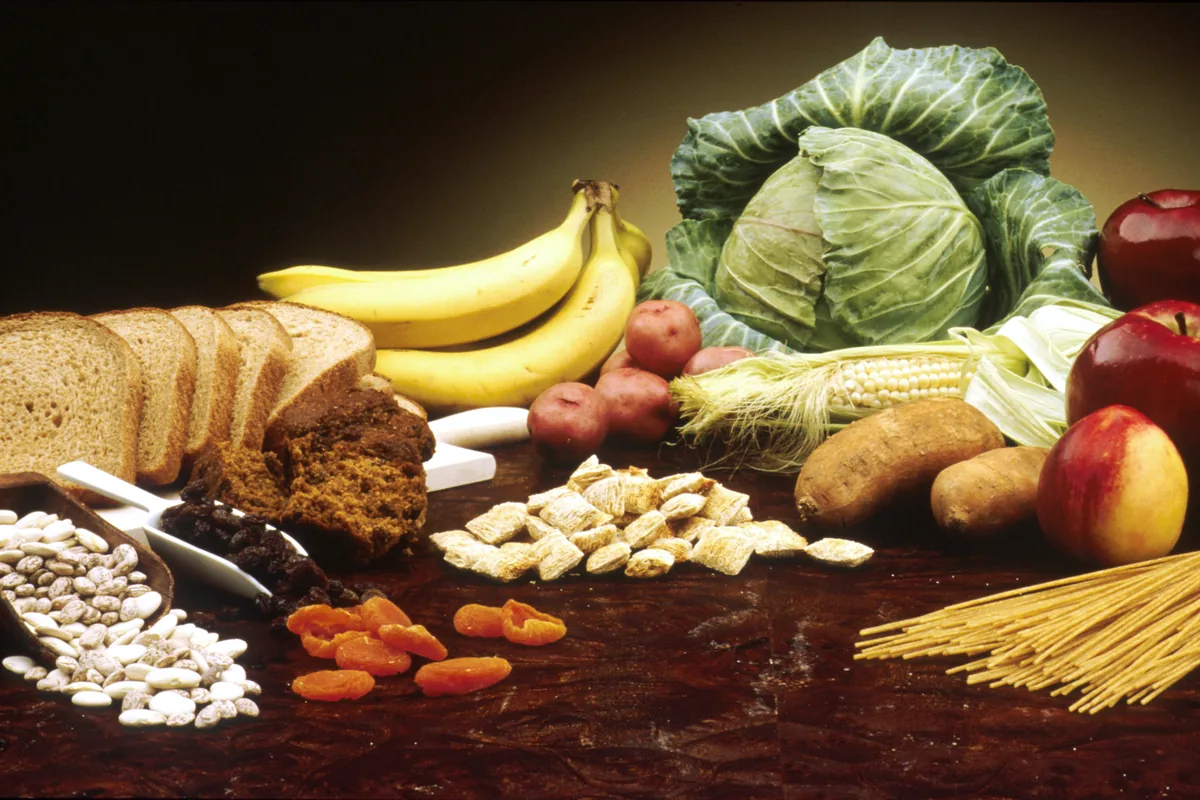
Hawker food can be low in fibre, and constipation is one of the most common drivers of piles in Singapore. The fix is small swaps, not a new diet.
| Instead of | Try |
|---|---|
| Economy rice with no vegetables | Add a leafy vegetable to the plate |
| White rice every meal | Brown rice where the stall has it |
| Kaya toast for breakfast | Start the day with fruit |
| Long stretches without a drink | Water through the day, so the fibre can soften stools |
The evidence is solid for a home remedy. A 2006 meta-analysis of 7 trials with 378 patients found that fibre cut the risk of symptoms persisting by 47% and the risk of bleeding by 50%. A 2025 review in JAMA lists more fibre and water, and not straining, as the first treatment for all piles.
Toilet habits that make piles worse, and the fix
Most of the pressure on piles happens on the toilet. Three habits cause most of it.
What piles creams and medicine can and cannot do
Pharmacy products ease symptoms. They do not fix the pile, which is why people who rely on them alone often find themselves still using them months later.
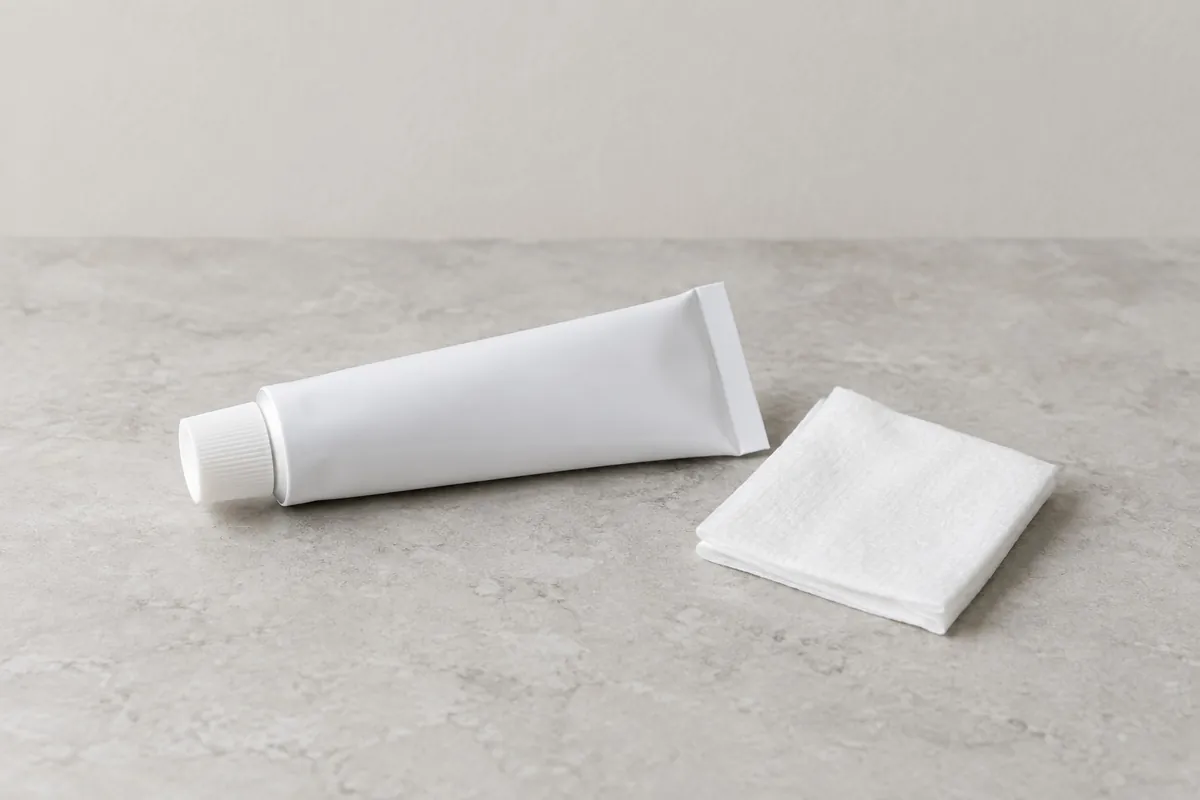
Creams and ointments reduce itching and inflammation. They do not shrink or remove the pile. Used alongside fibre, water and better toilet habits, they make the waiting more comfortable.
Tablets sold for piles usually contain plant flavonoids. A 2025 review in JAMA reports they can reduce bleeding, pain and swelling, but symptoms come back in up to 80% of people within 3 to 6 months of stopping. They treat the flare, not the cause. Ask a pharmacist or doctor before starting any medicine, especially if you are pregnant or take other medication.
A sudden, very painful lump is different
A hard, painful, sometimes bluish lump at the opening may be a clot in an external pile. Seen within about 3 days, removing the clot eases the pain; after that it is usually managed with stool softeners and pain relief. Either way, it is worth being seen rather than treated at home. More at internal vs external piles.
When treating piles at home is not enough
See a doctor if symptoms last more than a week despite home treatment, the bleeding keeps coming back, a lump keeps slipping out, or you are not sure the problem is piles at all.
Come in soon if
The blood is dark or mixed into the stool, the bleeding happens without a motion, you feel tired or breathless (possible anaemia), your bowel habit has changed, you are losing weight without trying, or this is your first bleed and you are over 40. None of these mean something serious is certain. They mean the bleeding should be examined rather than assumed to be piles.
When home care is not enough, the next step is often small. Many bleeding piles are treated with rubber band ligation in the clinic, with no cutting, and most people are back to their normal day straight afterwards. Several conditions can also feel like piles, which is covered at is it piles or something else. Blood on the paper has its own guide at piles bleeding.
Questions about treating piles at home
If symptoms last more than a week despite home treatment, see a doctor. If they are easing, keep going: the benefit of fibre in trials was measured over weeks to months, not days.
No. They reduce itching and inflammation, which makes symptoms easier to live with. The pile itself shrinks only when the pressure causing it eases, or with treatment in the clinic.
Bright red blood on the paper is the most common pile symptom, but bleeding should never be self-diagnosed. Get it examined once, even if you carry on with home care while you wait.
Small ones often can, once constipation, low fibre and long toilet sitting are fixed. Larger piles that slip out usually need treatment, though often a simple clinic procedure rather than an operation.
The basics are the same, and most piles in pregnancy are managed this way. Check with your doctor or pharmacist before using any cream or tablet. More at piles in pregnancy.
Sources
- Alonso-Coello P, et al. Fiber for the treatment of hemorrhoids complications: a systematic review and meta-analysis. American Journal of Gastroenterology, 2006. PubMed 16405552
- Ashburn JH. Hemorrhoidal disease: a review. JAMA, 2025. PubMed 40824576
Tried everything at home?
Find out what grade you are and what the next small step is. Write in through WhatsApp, no phone call needed.
Ask the clinic