Home/Piles surgery/Recovery
Week by week, in plain numbers
Piles surgery recovery, and what the first week actually feels like.
After the full operation, pain is about 4 to 5 out of 10 in week one and 2 to 3 in week two. Most people are fully recovered in 2 to 4 weeks.
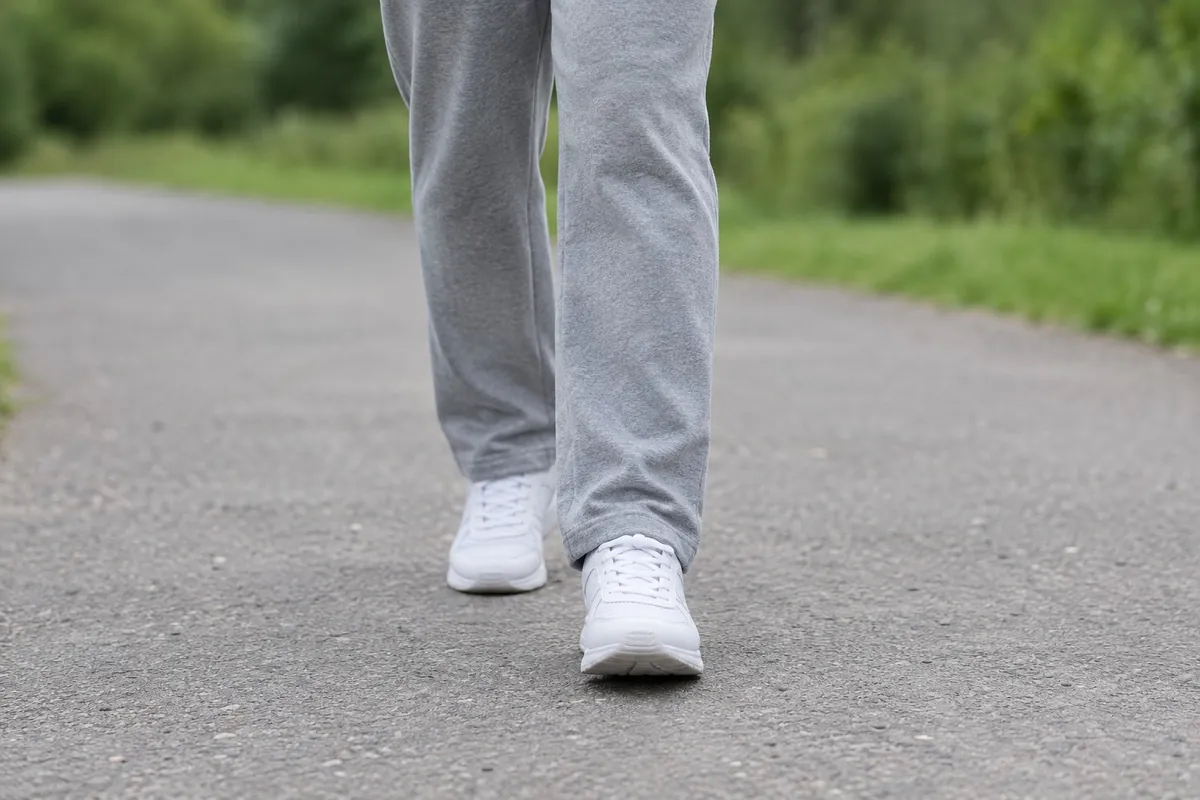
What piles surgery recovery feels like, week by week
This is the usual pattern after conventional excision surgery, the operation with the longest recovery and the lowest chance of the piles coming back. Laser and stapled recoveries are shorter.
| When | Pain, out of 10 | What is normal |
|---|---|---|
| Week 1 | About 4 to 5 | The hardest week. Rest, take the pain plan as prescribed, and expect motions to be the uncomfortable part. |
| Week 2 | About 2 to 3 | Soreness is fading. Short walks and light activity feel easier day by day. |
| Weeks 3 to 4 | About 1 to 2 | Mild discomfort, mainly during motions. A yellowish discharge for 2 to 3 weeks is normal while the wound heals. |
| After that | Little or none | Back to normal, with the fibre and toilet habits kept for good. |
Part of what makes the first week hard is sphincter spasm, the muscle around the back passage tightening up. Most people have never felt it before, so it can be alarming if nobody has mentioned it.
It is expected, it settles, and the pain plan is designed around it. Dr Sulaiman tells every surgical patient this up front, because knowing what is coming makes recovery easier than being surprised by it.
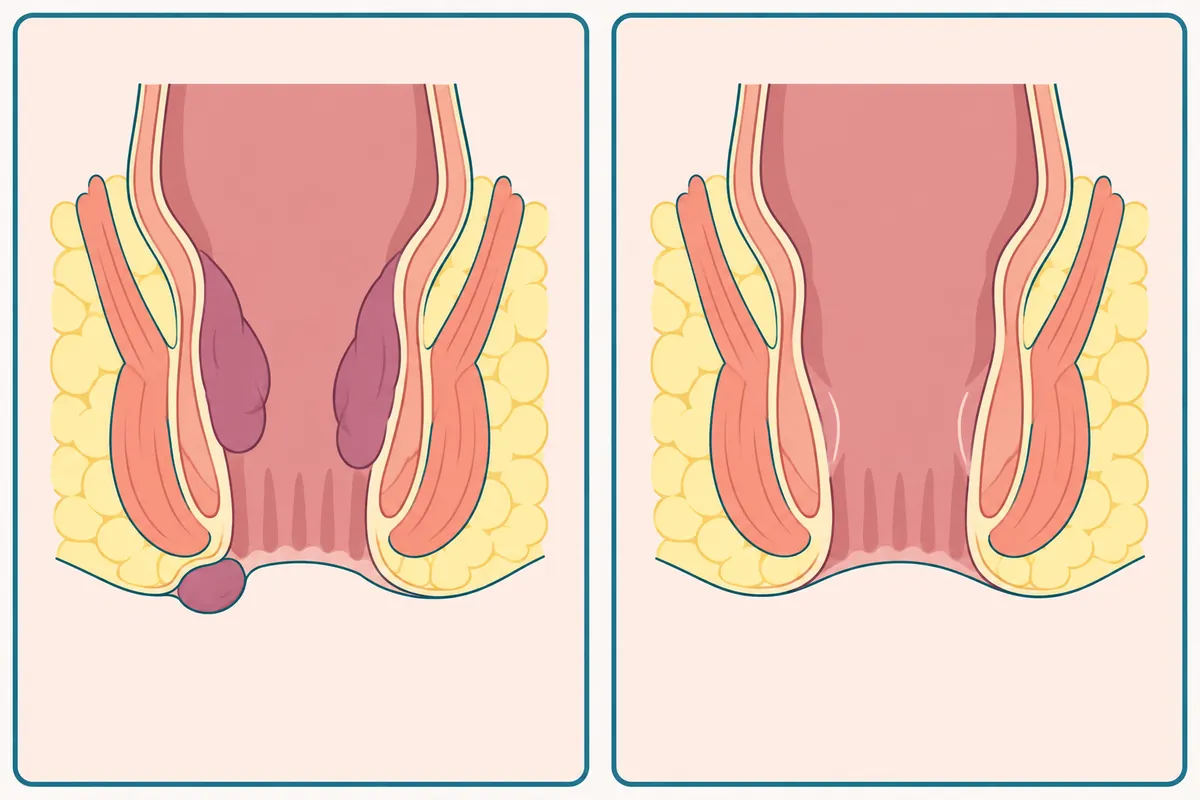
Recovery after each type of piles surgery
The operations differ most in how long recovery takes. As a rule, the more definitive the treatment, the more uncomfortable the first days.
| Treatment | Typical recovery | What to know |
|---|---|---|
| Rubber band ligation | Same day to 1 to 2 days | Pressure or a dull ache for 24 to 48 hours. Details at rubber band ligation. |
| Laser treatment | Back to normal activity within a few days | The small opening heals in 7 to 10 days, with some discomfort and a little bleeding along the way. See laser treatment. |
| Stapled procedure | Shorter than excision | Less pain and a faster recovery than excision, with a higher chance of the piles returning. |
| Excision surgery | 2 to 4 weeks to full recovery | The longest recovery. A 2025 review in JAMA puts the main recovery at 9 to 14 days, with piles returning in only 2 to 10% of patients. |
The trade-off between a quicker recovery and a lower chance of recurrence is real.
In a 2006 Cochrane review of 12 trials, piles came back in 37 of 479 people after the stapled procedure, against 9 of 476 after conventional surgery.
Which operation suits you is covered at piles surgery.
Why the first motion after piles surgery matters so much
Most of the discomfort in recovery comes with passing a motion. The goal of the whole plan is simple: soft stools, no straining, short toilet visits.
Pain relief is prescribed before you leave. Taking it regularly in the first week works better than waiting until the pain builds.
Fibre and plenty of water keep stools soft, so you do not need to strain. The team may also prescribe a stool softener for the first days.
Holding on makes stools harder. Go when you need to, and keep toilet visits short.
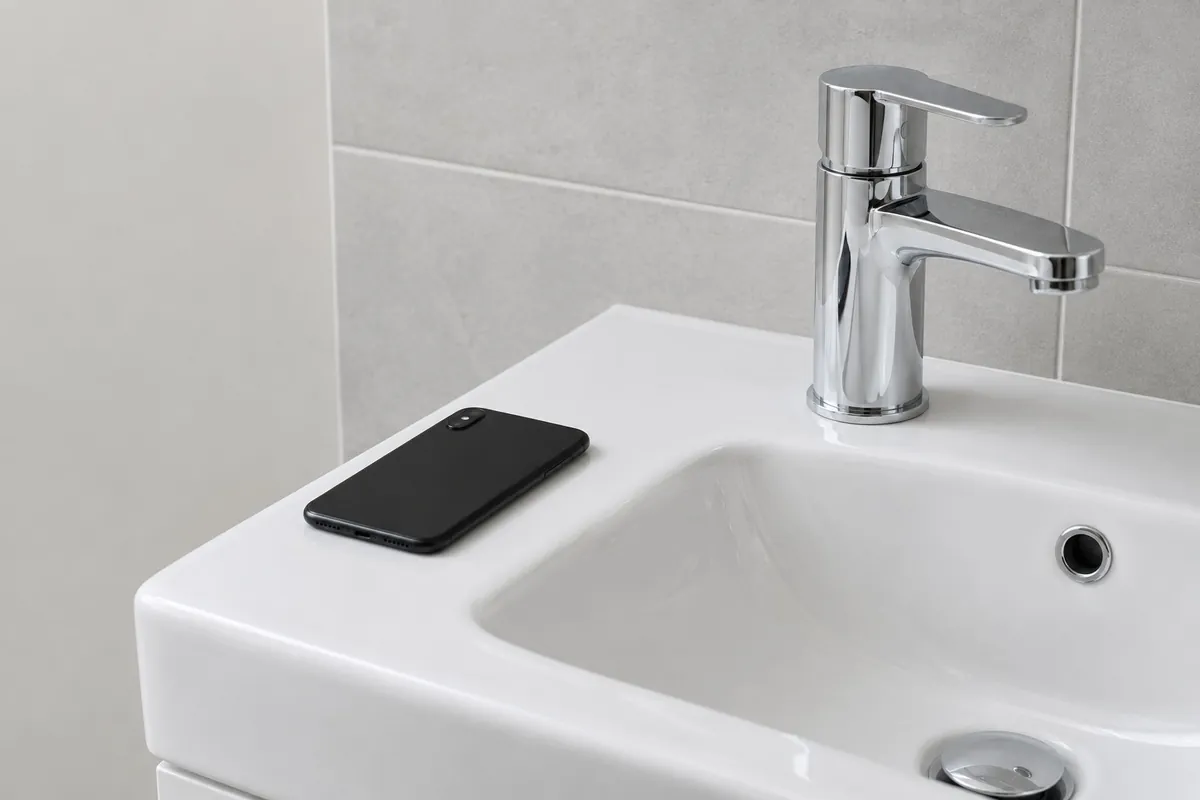
Sitting on the toilet with a phone adds pressure on the healing area. In and out is the rule.
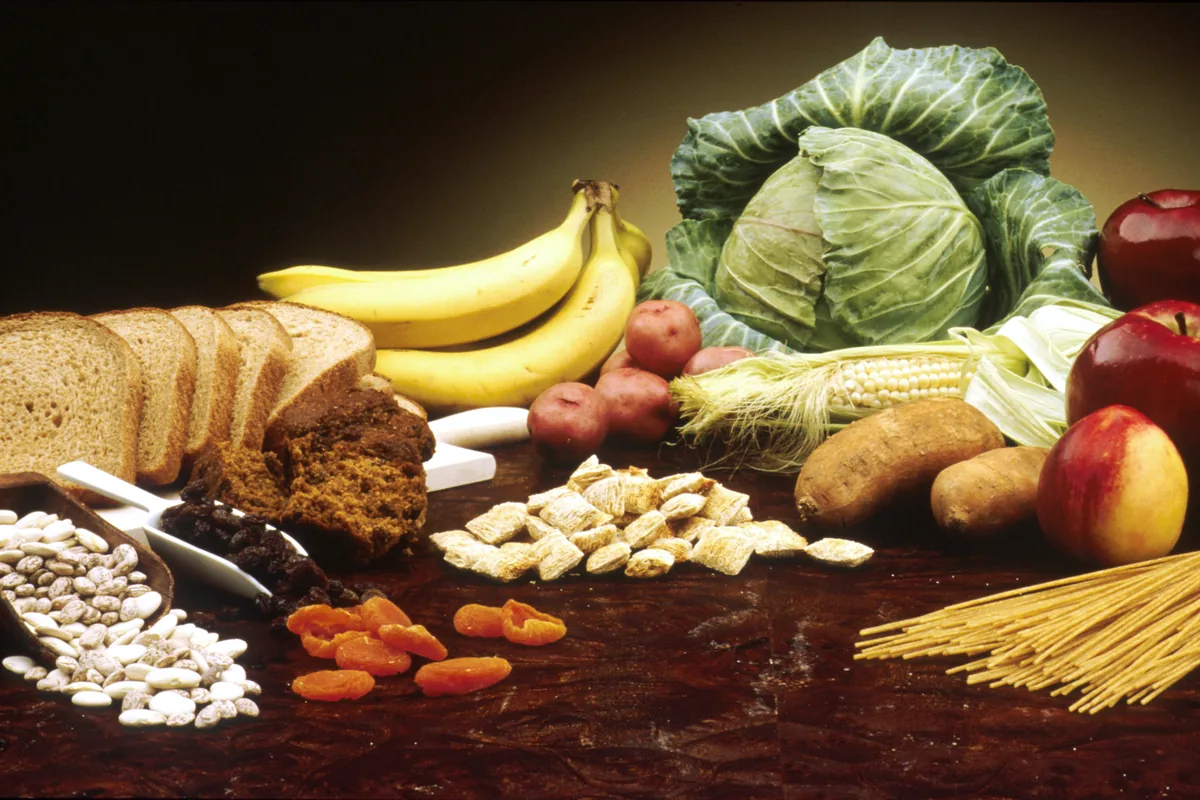
What to eat during piles surgery recovery
After surgery, a fibre-rich diet with enough water is what keeps stools soft, protects the wound, and makes new piles less likely later.
You do not need special foods. Small, familiar swaps add up: leafy vegetables with your economy rice, brown rice where you can get it, fruit at breakfast instead of kaya toast, and water through the day.
Fibre is not only folk advice. A 2006 meta-analysis of 7 trials with 378 patients found fibre cut the risk of persisting pile symptoms by 47% and of bleeding by 50%. More on everyday fibre is at treating piles at home.
When you can go back to work and exercise
Light activity comes back first, heavy effort last.
A few days
Walking and light activity
Short walks around the house and light activity usually return within a few days to a week.
2 to 4 weeks
Full recovery
Most people are fully recovered in this window. A desk job often comes back before then; ask what suits your own work.
When advised
Heavy lifting and hard exercise
Avoid strenuous activity and heavy lifting until the surgeon says it is fine, usually at the follow-up visit a few weeks after the operation.
When to call the clinic during your recovery
A little blood on the paper and a yellowish discharge are part of normal healing. These are not.
Call the clinic promptly if
The bleeding is heavy, continuous or has clots; you have a fever, or redness, swelling or pus around the wound; you cannot pass urine; or the pain is getting worse rather than better. Infection and difficulty passing urine are known risks of the operation, and both are easier to deal with early.

Piles surgery recovery questions, answered directly
After excision surgery, most people rate the pain about 4 to 5 out of 10 in the first week and 2 to 3 out of 10 in the second, then 1 to 2 out of 10 mainly during motions. It is real pain, and it is planned for with regular medication.
Yes. A yellowish discharge for 2 to 3 weeks is part of normal healing after excision surgery. Discharge that smells bad or comes with fever, redness or swelling should be checked.
Usually within a few weeks of the operation. The surgeon checks the healing, answers questions, and tells you when heavier activity is fine.
New piles can form if straining or constipation continues. Conventional surgery has the lowest chance of recurrence, and the fibre, water and toilet habits you use in recovery are the same ones that keep it that way.
Some, such as blood thinners and certain anti-inflammatory drugs, may need to pause before the operation. The clinic gives you a clear list of what to stop and what to continue.
Sources
- Ashburn JH. Hemorrhoidal disease: a review. JAMA, 2025. PubMed 40824576
- Lumb KJ, et al. Stapled versus conventional surgery for hemorrhoids. Cochrane Database of Systematic Reviews, 2006. PubMed 17054255
- Alonso-Coello P, et al. Fiber for the treatment of hemorrhoids complications: a systematic review and meta-analysis. American Journal of Gastroenterology, 2006. PubMed 16405552
Worried about the recovery?
Ask how it would go for your grade and your operation before you decide anything. Write in through WhatsApp, no phone call needed.
Ask the clinic