Home/Laser piles treatment
A small opening, back to normal in days
Laser piles treatment, the gentler-recovery option.
Laser treatment shrinks the pile from inside with a fine fibre, through a small opening. The wound typically heals within seven to ten days. It suits grades 2 to 3, chosen by examination, not by preference alone.
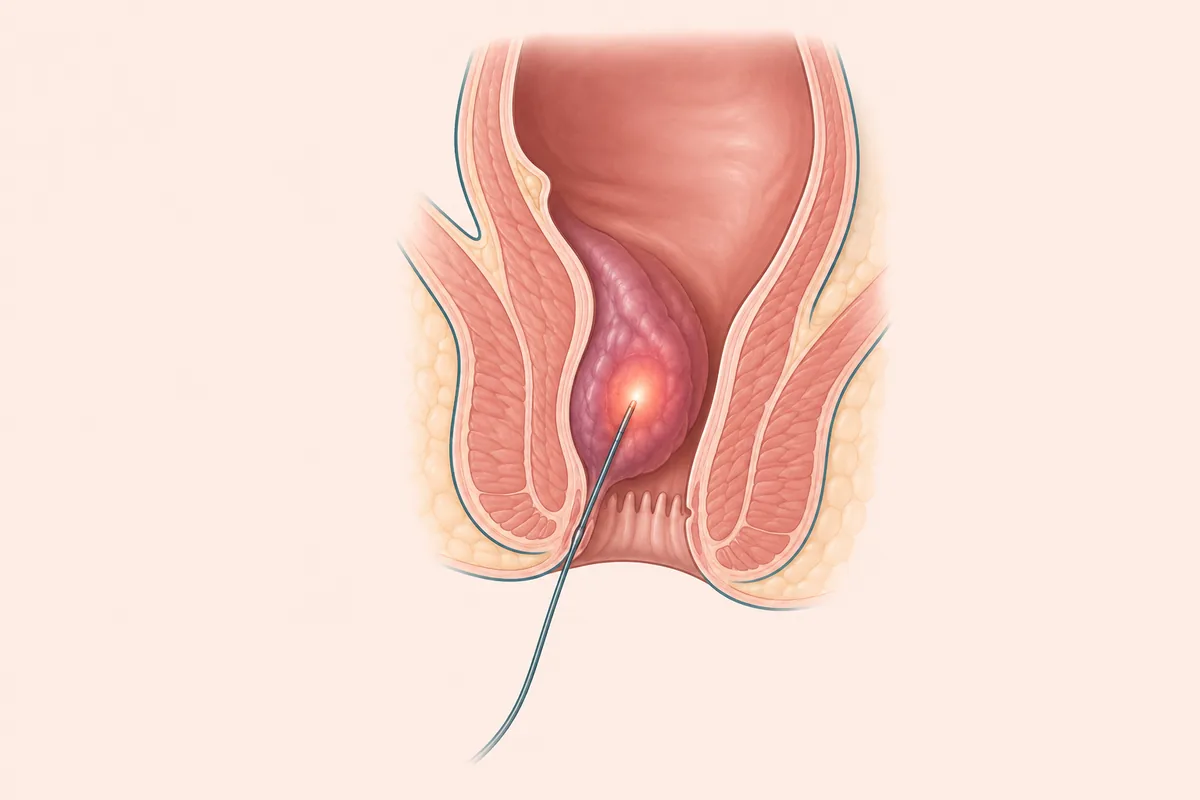
How laser piles treatment works
The idea is simple: treat the pile from the inside, so the outside is left alone.
Through a small opening, a thin laser fibre is positioned inside the pile itself.
Controlled laser energy seals off the vessels feeding the pile. Starved of its blood supply, the pile shrinks over the following weeks.
The fibre shrinks the pile from within, so no tissue is removed. The small opening it enters through typically heals within seven to ten days.
The procedure is done as day surgery with anaesthesia, and you go home the same day in typical cases, with simple aftercare instructions.
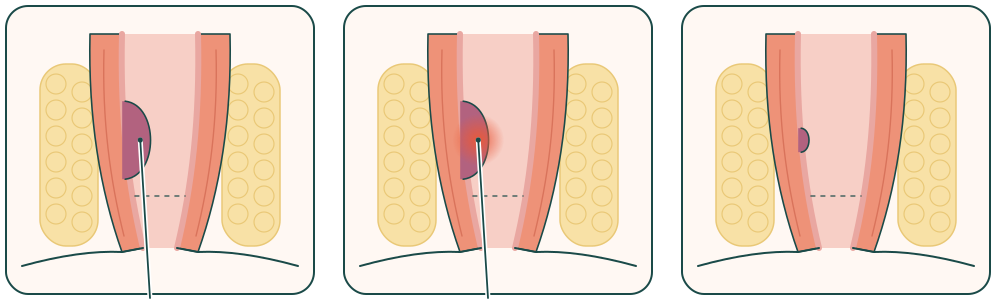
- 1. The fibre goes inThrough a small opening, into the pile.
- 2. Treated from insideThe energy seals the vessels feeding it.
- 3. The pile shrinksOver the following weeks, with nothing cut away.
Who laser piles treatment suits, and who it does not
Laser is a good answer for the right grade, and the wrong answer for the wrong one. The grade comes from the examination, and the grades guide is at piles grades 1 to 4.
It usually suits
Grade 2 to 3 piles that keep bleeding or protruding despite habit changes, or that have come back after banding.
Patients who prioritise a short recovery: those who cannot take weeks away from work or caregiving, and those put off by the reputation of cutting surgery.
It usually does not
Grade 4 piles, where the pile is permanently outside, and very large piles generally need a more definitive operation. In those cases the honest recommendation is surgery, and the step by step is at piles surgery.
If your grade turns out to be lower than you feared, you may not need laser or surgery at all: habit changes, or banding in the clinic, may suit you better. See treatment matched to your grade.
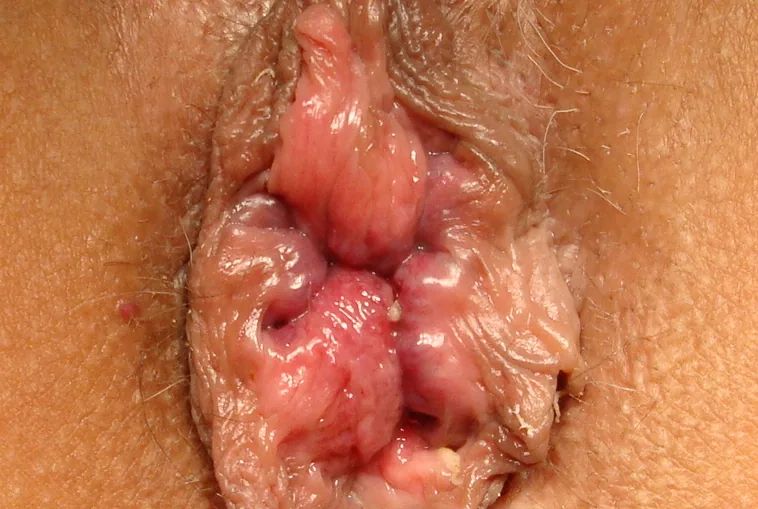
Laser against excision surgery, honestly
This is the comparison patients actually want, so here it is without overselling either side. Laser is easier to recover from. Excision is the more definitive fix. Which matters more depends on your grade.
What each option costs, and how Medisave and insurance usually apply, is worked through at piles treatment cost.
Recovery after laser piles treatment, in short
Expect a few days of soreness rather than sharp pain, managed with simple medication. Most people are back at work quickly in typical cases, often within the same week, and back to full activity soon after.
Individual recovery varies with the grade treated and your own healing, so treat this as the typical pattern, not a promise. You leave with written aftercare and a review appointment, and anything that worries you in between is a reason to write in, not to wait.
Laser questions, answered directly
Usually much less than excision surgery. What most people report is soreness for a few days rather than sharp pain, managed with simple medication.
It treats the piles that are present, and it does that without removing tissue. Recurrence is possible with any option, laser included, because the tendency to form piles stays. The habit changes afterwards are what protect the result.
Laser needs specific equipment and training, and not every clinic has both. Availability aside, suitability still comes from the examination: the right question is not "can I find laser" but "does laser fit my grade".
Laser haemorrhoidoplasty is billed under MOH table code TOSP SF836A, the same code as a conventional haemorrhoidectomy, and it is done as day surgery, which is MediSave-claimable. It may also be covered under Integrated Shield Plans. Confirm your specific coverage with your insurer before the procedure.
Related pages: piles surgery, step by step, what each grade needs, and what treatment costs.
Afraid of the surgery you have heard about?
Find out your grade first. You may have gentler options than you think. Write in through WhatsApp, no phone call needed.
Ask the clinic