Home/Rubber band ligation
Also called pile ligation or banding
Rubber band ligation, the piles treatment done in the clinic with no cutting.
A small elastic band is placed at the base of an internal pile. The pile shrinks and falls away within 1 to 2 weeks. It takes under five minutes, with no anaesthesia.
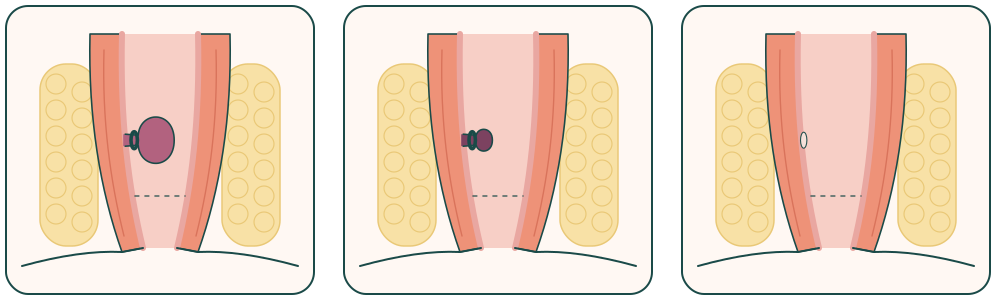
- 1. The band goes onA small elastic band is placed around the base of the pile.
- 2. The pile shrinksWith its blood supply cut off, the banded tissue shrinks over the next days.
- 3. It falls awayWithin 1 to 2 weeks it comes away, usually unnoticed, leaving a small scar.
How rubber band ligation works, step by step
The whole procedure is shorter than the wait to be seen. What makes it possible without anaesthesia is where the band sits: above the pain-sensitive line inside the back passage.
A short conversation and an examination come before any band. Bleeding is never assumed to be piles without a look, and the grade decides whether banding is the right tool at all.
Through a small viewing tube, a band is slipped around the base of the pile. It takes under five minutes. There is no cutting and no anaesthetic injection in most cases.
Expect a feeling of pressure or a dull ache for 24 to 48 hours. Simple pain relief is usually enough, and most people carry on with their normal day.
Within 1 to 2 weeks the banded tissue comes away, usually passed without noticing. The small scar it leaves helps hold the remaining tissue in place so it is less likely to slip out.
Some people need only one session. Others need a second band on another pile, or later on, which is normal and planned for.
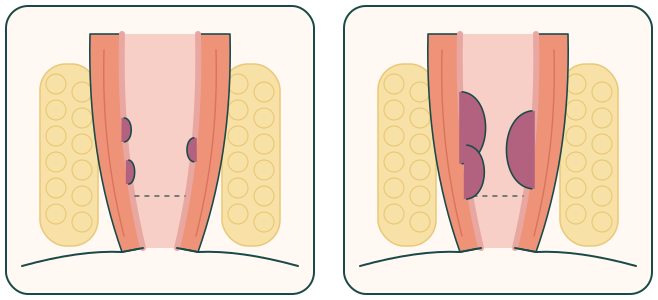
- Normal cushionsEveryone has these soft cushions of tissue inside the back passage.
- Swollen into pilesBanding treats the cushions that have swollen and started to bleed or slip out.
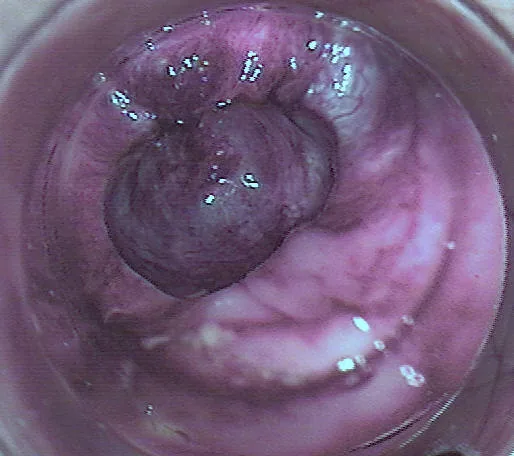
Who rubber band ligation suits, and who it does not
Banding is a good fit for a specific kind of pile. Dr Sulaiman's view is that the right treatment is the least disruptive one for your grade, and for many people whose bleeding piles have not settled with habit changes, this is it.
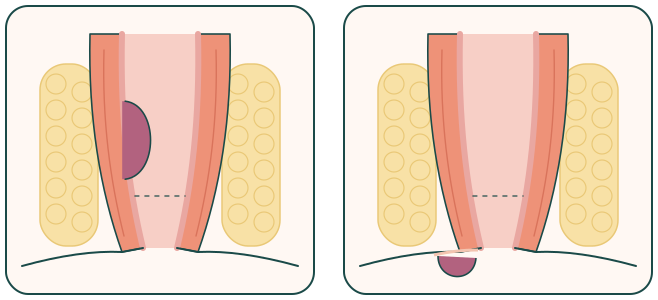
- Internal pileAbove the dashed line. This is the kind a band can treat.
- External pileBelow the line, under sensitive skin. Not treated with a band.
Banding or surgery, and what the research found
Banding trades a chance of needing it again for a much easier recovery. As Dr Sulaiman tells surgical patients, the more definitive a treatment is, the harder its first days tend to be.
| Question | What the research found | Source |
|---|---|---|
| Does banding work? | A 2025 review in JAMA reports that banding resolves symptoms in 89% of patients, while up to 20% need banding again. | Ashburn, JAMA, 2025 |
| Banding or an operation? | A 2021 meta-analysis of 8 randomised trials in grade 2 and 3 piles found the operation controlled symptoms better, while banding caused less pain and fewer complications such as bleeding and difficulty passing urine. | Dekker et al., 2021 |
| Do banded piles come back? | More often than after an operation. This is why some people need a second session over the years. | Dekker et al., 2021; Ng et al., 2020 |
| Is it a sensible first step? | Banding is described as the first-line clinic procedure for grade 1 to 3 internal piles once diet, fibre and water have not worked. | Ashburn, JAMA, 2025 |
The 2021 authors also noted the trials were of moderate quality, so neither option is right for everyone. That is the honest reason the choice is made at the examination, with your grade and your priorities on the table.
Recovery after rubber band ligation, day by day
For most people this is the easiest recovery of any piles treatment. Here is what the first two weeks usually look like.
Same day
Back to your day
Pressure or a dull ache for 24 to 48 hours, eased with simple pain relief. Most people return to normal activity the same day.
7 to 14 days
The band comes away
A little bleeding with a motion is expected around the time the banded tissue comes away. It should be small and short-lived.
After that
Keep the habits
Fibre, water and no straining. New piles can form if constipation is left alone, so the habits are part of the treatment.
Contact the clinic promptly if
The bleeding is heavy or has clots, you develop a fever, you cannot pass urine, or the pain is getting worse instead of better. Serious problems after banding are rare, and these are the signs that one needs checking.
What banding costs, and how Medisave treats it
Banding is done in the clinic, not in an operating theatre, so it is billed as an outpatient procedure.
Because it is a clinic procedure, rubber band ligation is generally not MediSave-claimable, unlike the day-surgery operations for piles. The fee is quoted when you write in, and the clinic confirms what your insurance covers before anything is done.
How the costs of each option compare, including the Ministry of Health fee benchmarks for surgery, is laid out at piles treatment cost.
Questions about banding, answered directly
Most people feel pressure or a dull ache for a day or two, not sharp pain. The band sits above the pain-sensitive line inside the back passage, which is why an anaesthetic is usually not needed.
Often one. Some people need another band on a second pile, or a repeat later on. In the research above, up to 20% needed banding again, which is a planned part of this treatment rather than a failure.
Most people can. The procedure takes under five minutes and needs no anaesthesia, so there is nothing to recover from beyond a day or two of mild discomfort.
Yes. Pile ligation, haemorrhoid banding and rubber band ligation are three names for the same clinic procedure.
Piles that are too large for a band, or that come back after banding, usually move on to laser treatment or an operation. Which one depends on the grade and how far the piles come out.
Sources
- Ashburn JH. Hemorrhoidal disease: a review. JAMA, 2025. PubMed 40824576
- Dekker L, et al. Rubber band ligation versus haemorrhoidectomy for grade II to III haemorrhoids: a systematic review and meta-analysis of randomised controlled trials. Techniques in Coloproctology, 2021. PubMed 33683503
- Ng KS, et al. An updated and critical review of the management options for haemorrhoids. Annals of Coloproctology, 2020. PubMed 32674545
Piles that keep bleeding?
Get the grade confirmed first, then decide whether banding suits you. Write in through WhatsApp, no phone call needed.
Ask the clinic