Home/Piles grades
The grade decides the treatment
Piles grades 1 to 4, and what each one usually needs.
Piles are graded by how far they come out of the anus, not by how much they hurt. Grade 1 stays inside; grade 4 stays outside. The grade decides what treatment is sensible.
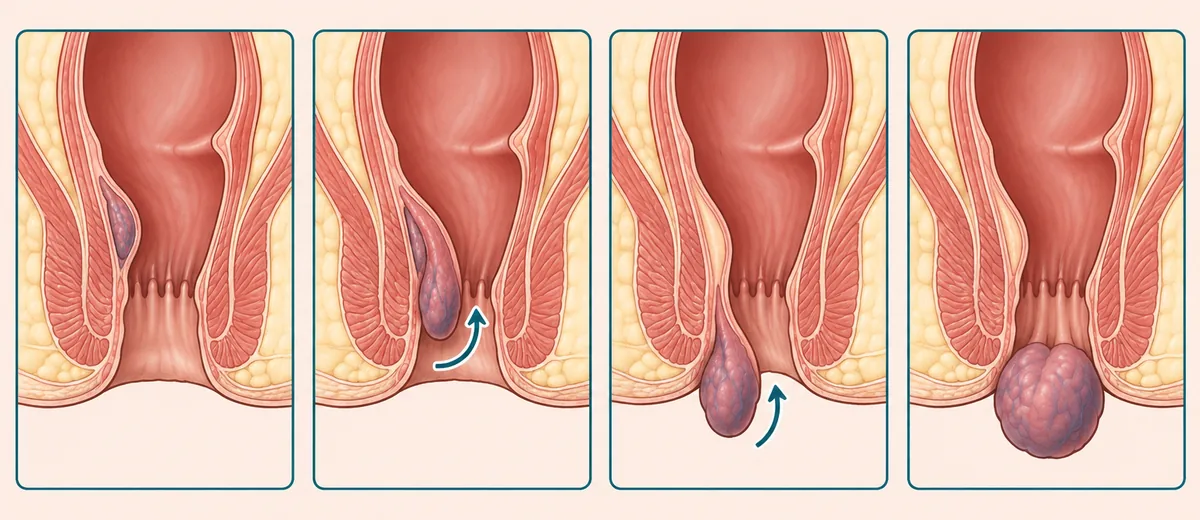
- Grade 1Stays inside.
- Grade 2Comes out when straining, goes back by itself.
- Grade 3Comes out, and has to be pushed back in.
- Grade 4Out all the time.
Tap a grade
The short version first. The detailed breakdown of each grade is further down.
Bleeding or itching, nothing comes out
The pile stays inside. You usually notice bright red blood on the paper, or an itch, and nothing else.
Each of the piles grades, in detail
Stays inside: bleeding or itching, nothing more
How it usually feels
Bright red blood on the paper or in the bowl, an itch, or a sense of dampness. Many grade 1 piles cause no sensation at all and are found during an examination for something else.
What it usually needs
Habit changes: more fibre, more water, no straining, less time sitting on the toilet. If bleeding keeps returning, a clinic review is worth it, partly to treat, partly to confirm it really is piles.
Comes out when straining, goes back by itself
How it usually feels
A soft lump you notice during a motion that disappears afterwards. Some people feel it as "something there" when wiping, in the words patients actually use.
What it usually needs
Habit changes first. When the bleeding or protrusion keeps recurring, rubber band ligation in the clinic is the usual next step: a few minutes, no cutting, and no anaesthesia in most cases.
Comes out, and has to be pushed back in
How it usually feels
A lump that comes out with motions, or sometimes with walking or standing long, and stays out until you push it back. Sitting can be uncomfortable. This is the grade where people usually stop putting it off.
What it usually needs
Banding still works for some. An operation is often discussed here, and this is where laser treatment earns attention as the gentler-recovery option against the reputation of cutting surgery.
Out all the time, and cannot be pushed back
How it usually feels
The pile is permanently outside. It can be sore, it can soil, and if a clot forms inside (a thrombosed pile) it becomes suddenly and sharply painful.
What it usually needs
An operation is usually recommended. The honest trade: the longest recovery of any option, and the most definitive result. The step by step is at piles surgery.
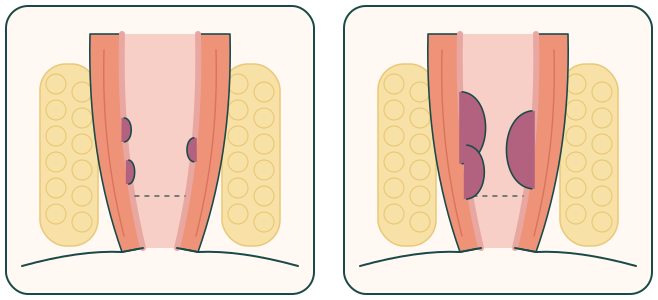
- Normal cushionsPart of everyone's anatomy.
- Swollen into pilesGraded 1 to 4 by how far they come out.

How your piles grade is actually found
You cannot grade yourself reliably from the outside. The examination that settles it is quicker and gentler than its reputation, and it is always your choice on the day.
Your symptoms, how long they have been there, your habits, your history. Many answers are already visible here. Nothing is examined without your agreement.
A visual examination of the area, which often identifies external piles, skin tags and fissures on its own.
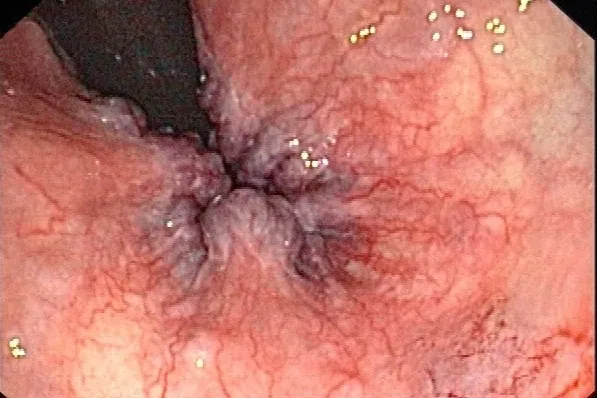
A short, smooth, lighted tube, inserted for a few seconds, lets the surgeon see the piles from inside and grade them properly. Uncomfortable for a moment, not the ordeal people imagine.
You leave knowing the grade, what it needs, and what it costs to do each option. Nothing is scheduled unless you want it.
Questions about piles grades, answered directly
Yes. Grades tend to progress slowly over years if straining and constipation continue, and grade 2 today can become grade 3 later. This is the practical argument for treating lower grades while the treatment is still easy.
It is usually recommended, because a pile that stays out cannot be managed by habits or bands. The examination confirms whether surgery, and which surgery, fits your situation.
Sometimes, yes. It depends on the size and position of the piles, which is exactly what the proctoscopy settles. Grade 3 is the grade where the decision is most individual.
No. Grading is done by examination and proctoscopy. A scope is a separate question, raised when bleeding needs its source confirmed or when your age and symptoms call for it.
Related pages: when bleeding is and is not piles, laser treatment, and surgery step by step. Costs are outlined at what treatment costs.
Not sure which grade you are?
That is normal, and it is exactly what the first visit answers. Write in through WhatsApp, no phone call needed.
Ask the clinic