Home/Piles in pregnancy
During pregnancy and after birth
Piles in pregnancy and after birth, what helps now and what can wait.
Piles in pregnancy are common, about 4 in 10 women in one study developed them, mostly late on or just after birth. Most settle with diet and toilet habits; any operation usually waits until after birth.
Why piles in pregnancy are so common
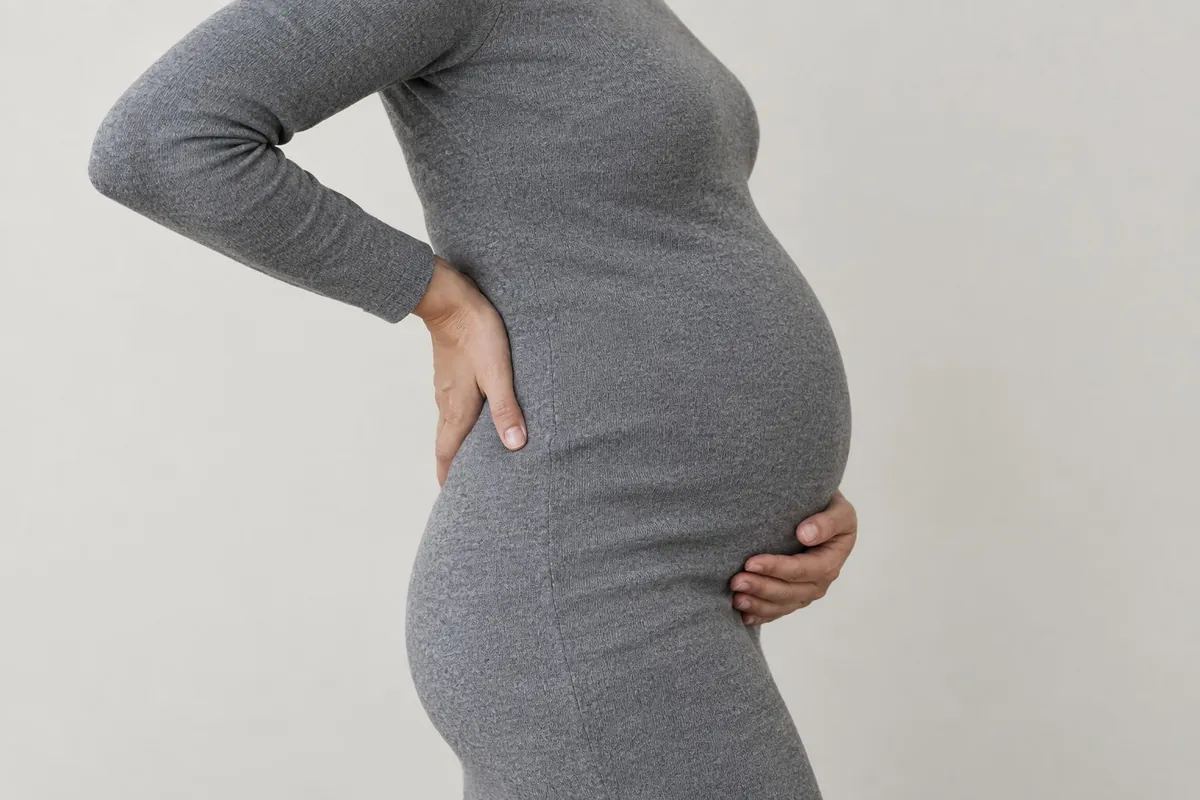
Pregnancy changes the three things that keep the veins around the back passage in check: blood flow, pressure and the strength of the vein walls.
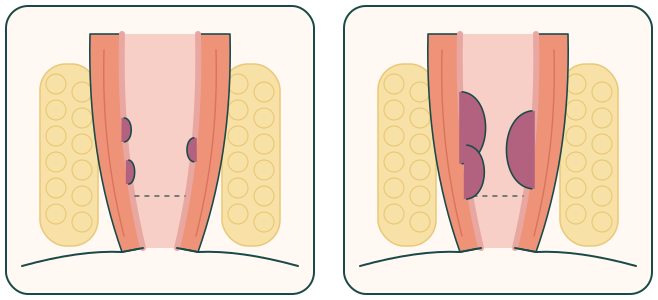
- Normal cushionsPart of everyone's anatomy.
- Swollen into pilesMore blood flow and more pressure make them swell.
When piles in pregnancy usually start
A 2014 study published in BJOG followed 280 pregnant women from early pregnancy to a month after birth. In total, 43.9% developed piles or a fissure, and 40.7% were diagnosed with piles.
| When | Share of those affected |
|---|---|
| First 3 months of pregnancy | 1.6% |
| Last 3 months of pregnancy | 61% |
| Just after the birth | 34.1% |
| A month after the birth | 3.3% |
The same study found four things that made piles more likely: constipation, having had piles or a fissure before, pushing for more than 20 minutes during delivery, and a baby weighing more than 3.8 kg.
Only the first is fully in your hands, which is why so much of the advice below is about keeping stools soft.
What helps piles in pregnancy, day to day
Most piles in pregnancy are managed with three things: changes to what you eat, soothing care applied to the area, and warm sitz baths. None of them needs a procedure.
Fibre and plenty of water are the base of everything else. Small swaps work: a leafy vegetable with your economy rice, brown rice where you can get it, fruit at breakfast instead of kaya toast.
Go when you feel the urge, avoid pushing, and keep toilet visits short rather than sitting on your phone.
A sitz bath, sitting in a shallow bath of warm water, eases soreness. A cream can calm itching; ask your obstetrician or pharmacist which products suit pregnancy before using one.
Gentle, regular activity helps the bowel, and avoiding long spells of sitting or standing takes pressure off the veins.
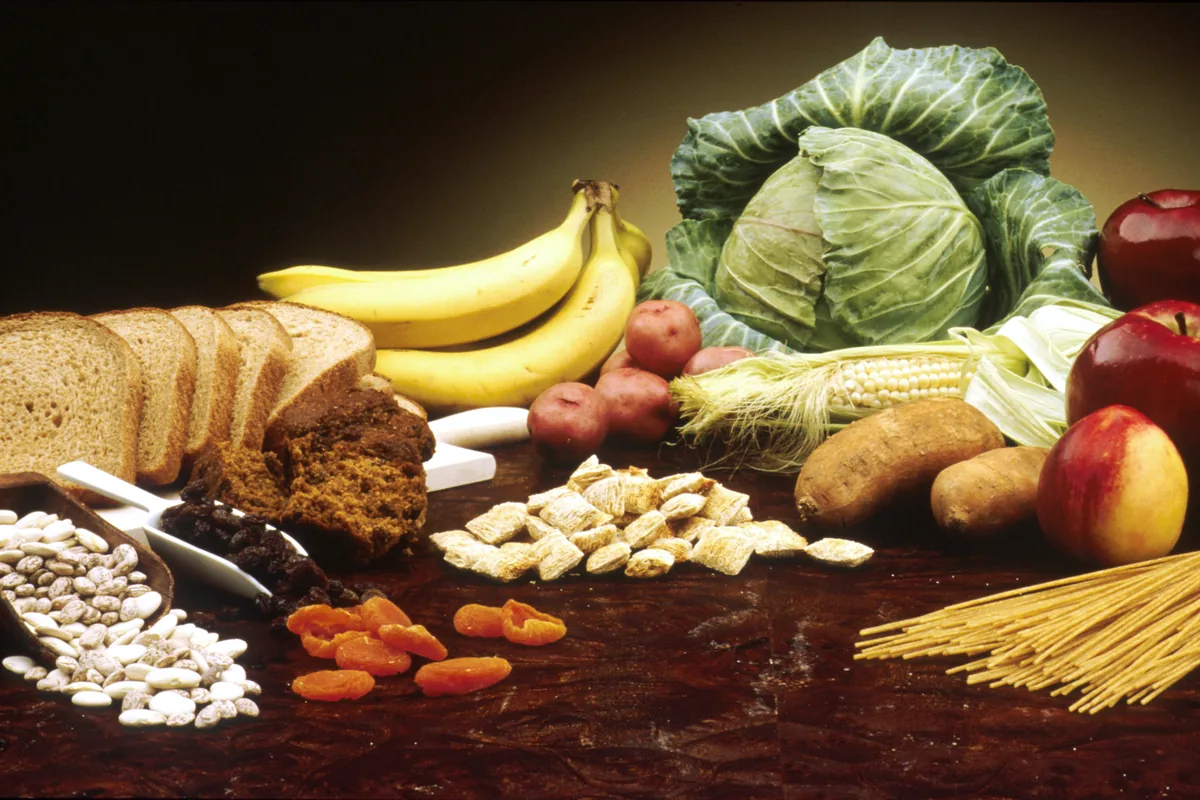
Fibre is backed by more than habit.
A 2006 meta-analysis of 7 trials found fibre cut the risk of pile symptoms persisting by 47% and of bleeding by 50%.
The full home-care guide is at treating piles at home.
Why treatment for piles usually waits until after birth
Operations for piles are generally put off until after delivery. The exception is an emergency, such as a severely clotted, very painful pile.
| During pregnancy | After birth | |
|---|---|---|
| Everyday care | Diet, water, toilet habits, sitz baths, a suitable cream | The same, continued |
| Clinic treatment | Usually deferred | Rubber band ligation can be considered |
| An operation | Only in an emergency, such as a severely clotted pile | Excision can be considered if piles, skin tags or prolapse persist |
After birth, and the lumps that are not piles
Once the baby is born, the pressure from pregnancy is gone. When symptoms carry on, the cause is often a mix of things rather than piles alone.
In Dr Sulaiman's experience, many women after childbirth have a combination of mild prolapse of the lining, piles that slip out, and skin tags.
Together these cause lumps, itching, irritation and sometimes bleeding, even when the internal piles themselves are small.
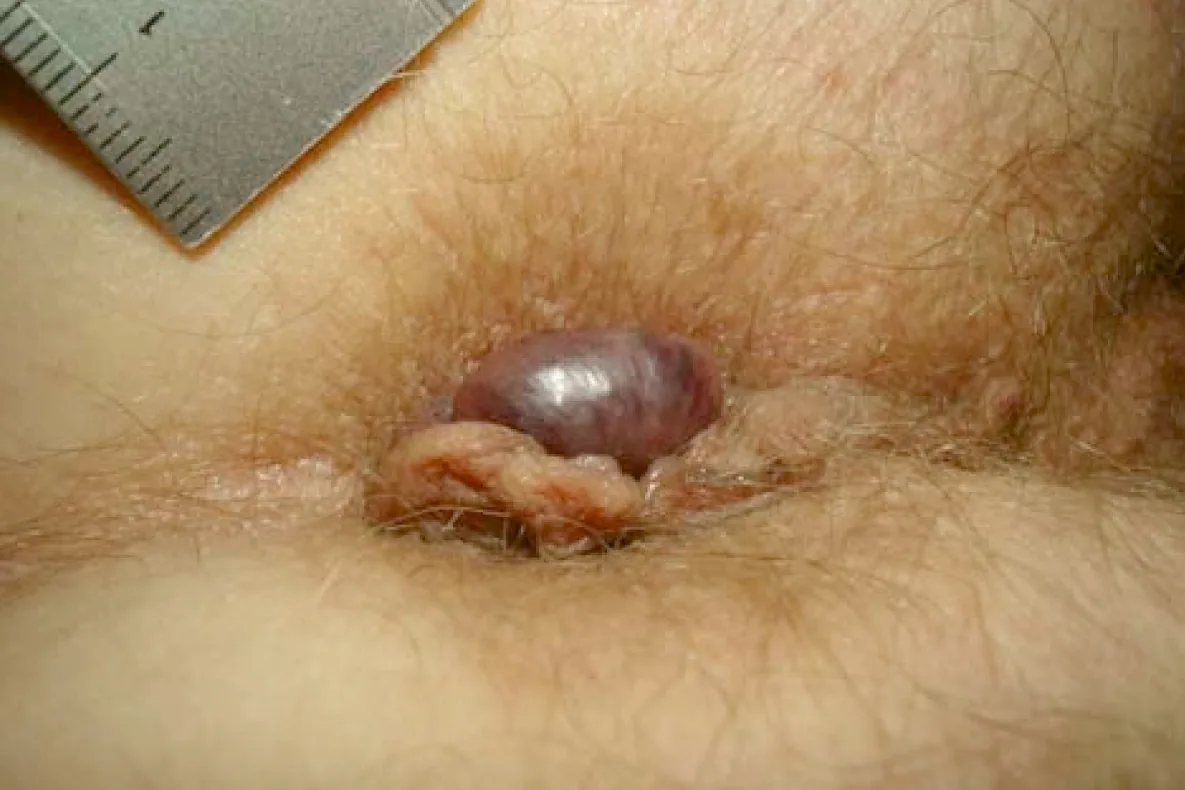
Skin tags are soft folds of skin, often left behind after a pile or after pregnancy. Unlike piles they are not blood vessels and do not bleed on their own.
When skin tags and prolapse of the lining are causing symptoms, removing them in a single procedure is the most effective treatment, and any internal piles can be treated at the same time.
A painful tear, called a fissure, is also common around childbirth.
Rarely, pregnancy and childbirth weaken the support of the back passage enough for it to slip down, which is called rectal prolapse.
Both feel different from piles and are covered at is it piles or something else.
When to get piles checked during or after pregnancy
See a doctor if symptoms last more than a week despite home care, the bleeding keeps coming back, a lump keeps slipping out, or you are not sure what it is. Mention it to your obstetrician too.
Get seen promptly if
The bleeding is heavy or will not stop, which can lead to anaemia; a lump becomes suddenly very painful and swollen, which may be a clot; or you have a fever, redness or pus around the area, which may be an infection. More on bleeding at piles bleeding.
Questions about piles in pregnancy
The pressure from pregnancy is gone once the baby arrives, and that helps.
If lumps, itching or bleeding carry on, get them checked, because skin tags or a prolapse of the lining can be part of the picture.
Yes, with care at home: fibre, water, toilet habits, sitz baths and a suitable cream. Procedures and operations are usually left until after delivery, unless there is an emergency such as a severely clotted pile.
No. They are caused by changes in your own blood flow, hormones and pressure, and they are very common. Bleeding should still be checked, because other causes are possible.
Not entirely, but keeping stools soft from early on helps, since constipation was one of the clearest risk factors in the study above.
Having had piles before makes them more likely, so start the habits early.
A skin tag is a soft fold of skin, often left behind after a pile or pregnancy. It is not a blood vessel and does not bleed on its own.
Piles are swollen blood vessels. After childbirth the two often appear together and can be treated together.
Sources
- Poskus T, et al. Haemorrhoids and anal fissures during pregnancy and after childbirth: a prospective cohort study. BJOG, 2014. PubMed 24810254
- Alonso-Coello P, et al. Fiber for the treatment of hemorrhoids complications: a systematic review and meta-analysis. American Journal of Gastroenterology, 2006. PubMed 16405552
Still troubled after the birth?
Lumps, itching or bleeding that carry on after delivery are worth a proper look. Write in through WhatsApp, no phone call needed.
Ask the clinic